09 Feb ,2025
Scheme Type: For Widow
As temperatures rise, keeping your home cool becomes a priority. Residential coolers, also known as evaporative coolers or swamp coolers, are an energy-efficient and environmentally friendly solution to beat the heat. Unlike traditional air conditioners, which use refrigerants and compressors, residential coolers leverage the natural process of evaporation to cool the air. In this comprehensive guide, we will explore the different types of residential coolers, their benefits, maintenance tips, and factors to consider when choosing one for your home.
Residential coolers work by drawing warm air through water-saturated pads. As the air passes through these pads, the water evaporates, reducing the temperature and adding moisture to the air. A fan then distributes the cooled air throughout your home. This process is highly effective in dry and arid climates where humidity levels are low.
There are several types of residential coolers available in the market, each with unique features and advantages:
Ideal for single-room cooling.
Easy to move and set up.
Affordable and energy-efficient.
Requires refilling of the water reservoir regularly.
Installed in a window or wall opening.
More effective than portable coolers for cooling larger spaces.
Typically requires minimal maintenance.
Needs a continuous water supply for optimal performance.
Designed to cool an entire home.
Installed on the roof or an exterior wall.
Uses ductwork to distribute cool air.
More energy-efficient than central air conditioning.
Evaporative coolers consume significantly less electricity compared to traditional air conditioners, making them a cost-effective cooling solution.
Since they do not use harmful refrigerants, evaporative coolers have a lower environmental impact.
These coolers continuously circulate fresh air, reducing the buildup of indoor pollutants.
Ideal for dry climates, evaporative coolers prevent issues like dry skin and irritated sinuses.
Before purchasing a residential cooler, consider the following factors:
Evaporative coolers work best in dry, arid climates. In humid regions, their cooling efficiency decreases.
Choose a cooler with the appropriate cubic feet per minute (CFM) rating based on your room size. A higher CFM means greater cooling power.
Some models require manual water refilling, while others connect to a continuous water supply.
Look for models with energy-efficient features to reduce electricity costs.
Consider ease of installation and ongoing maintenance requirements. Whole-house systems may require professional installation.
Regular maintenance ensures that your cooler functions optimally. Follow these maintenance tips:
Clean or Replace Cooling Pads Regularly – Dirty pads reduce cooling efficiency.
Check Water Levels – Maintain adequate water levels for continuous cooling.
Inspect the Pump and Fan Motor – Ensure they are in good working condition.
Clean Air Vents and Filters – Prevent dust and debris buildup.
Winterize the Unit – Drain water and cover the cooler during colder months to prevent damage.
Residential coolers offer an affordable and eco-friendly alternative to traditional air conditioning. By understanding how they work, the different types available, and how to maintain them, homeowners can enjoy efficient cooling while reducing their energy bills. Whether you need a portable unit for a single room or a whole-house system, selecting the right evaporative cooler can enhance comfort and indoor air quality in your home.
The Ultimate Guide to Residential Coolers: Keeping Your Home Cool Efficiently
09 Feb ,2025
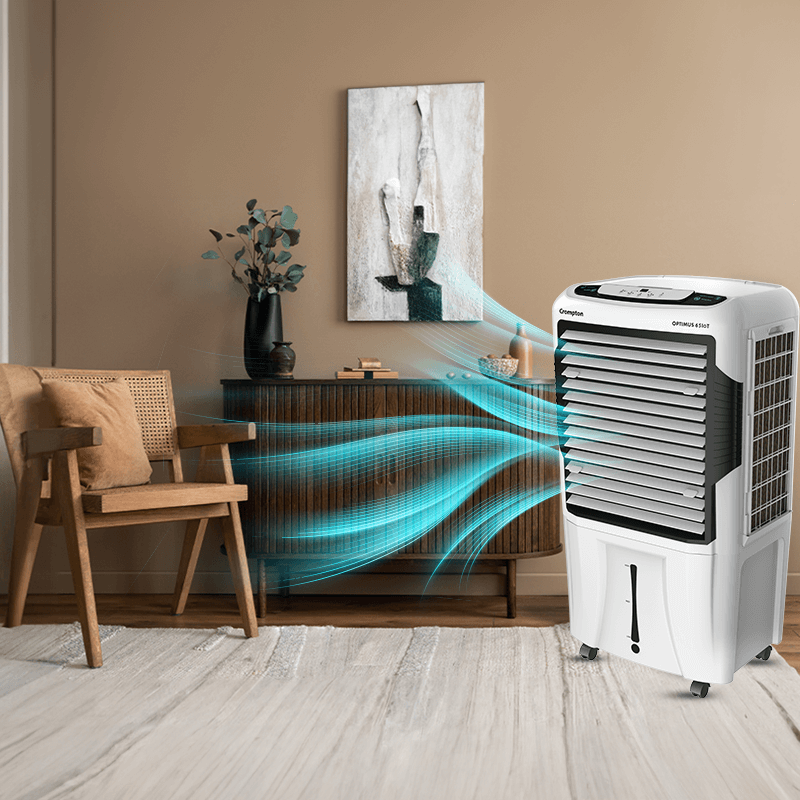
The Ultimate Guide to Commercial Coolers: Keeping Your Home Cool Efficiently
09 Feb ,2025
The Ultimate Guide to Desert Coolers: Keeping Your Home Cool Efficiently
09 Feb ,2025
 Residential Cooler
  Commercial Cooler
Desert Cooler
Commercial Cooler
Desert Cooler